What is visual development? A palette is a point of view
Building a colour system that carries emotion before a single line of dialogue is spoken.
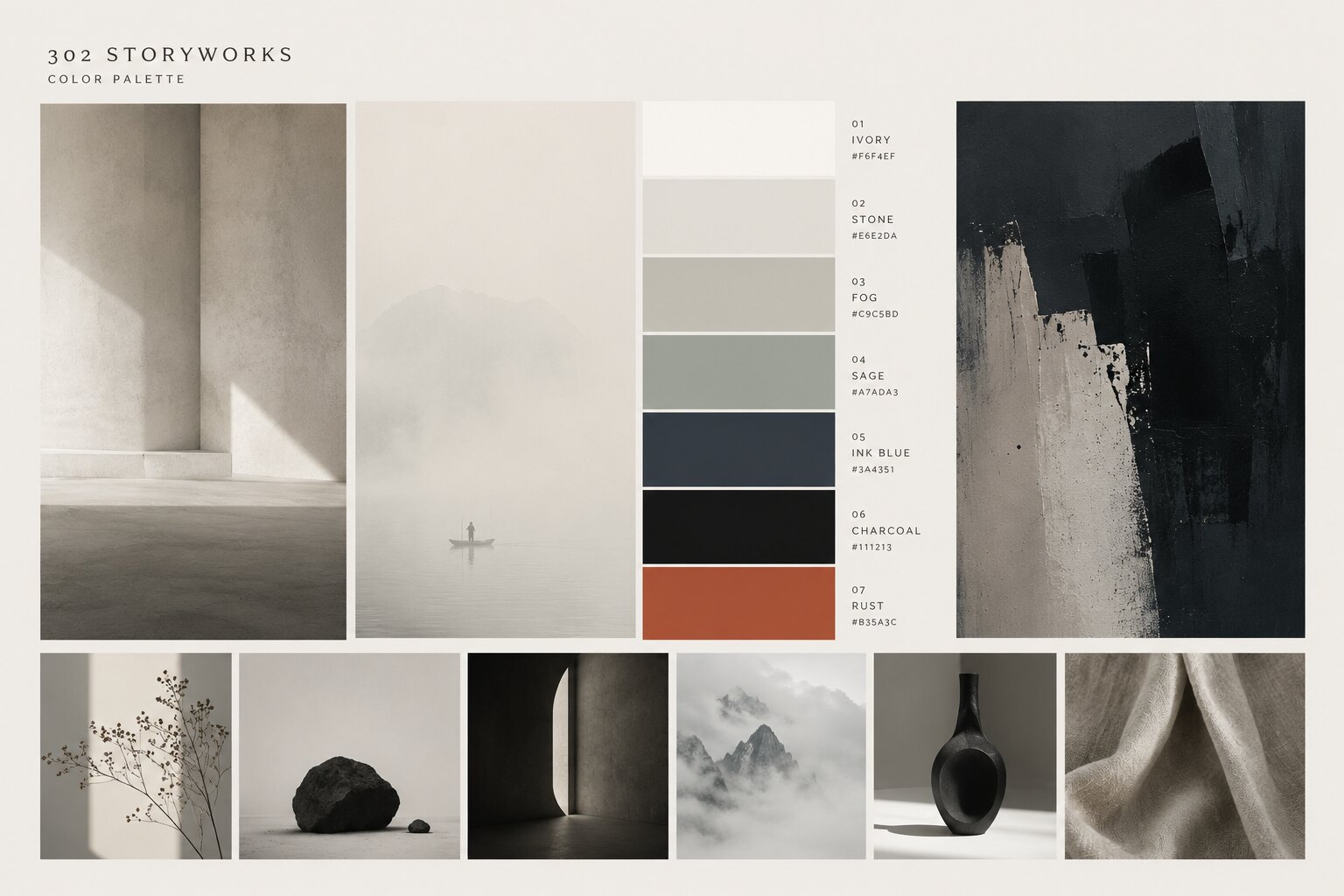
Visual development — often shortened to "visdev" — is the stage of filmmaking where a story's world is designed before it is built or shot. It is the concept art, the colour palettes, the mood boards, the production and costume design, the lens and lighting language: everything that decides what a film will look and feel like. Done well, visual development is not decoration applied to a finished story. It is storytelling by other means.
The audience reads the image first
Before a viewer understands a single word of plot, they have already absorbed the frame — its colour, its light, its space. That reading happens in milliseconds and mostly below conscious thought. This is the enormous, quiet power of visual development: it sets the audience's emotional expectation before the story has said anything at all. A warm, close, cluttered room and a cold, wide, empty one tell you how to feel about the person inside them before that person moves.
Before the audience understands a word of plot, they have already read the frame.
A palette is an argument
When we build a colour system for a film, we are not choosing pretty colours. We are deciding what the film believes. A palette drained toward stone and fog says the world has had the warmth pressed out of it; a single held note of rust in that world becomes almost unbearably alive. Colour can track a character's arc, mark the border between two worlds, or quietly foreshadow a turn the dialogue has not reached yet. Every choice is a small point of view about what matters. That is why we treat the palette as one of the first decisions, not one of the last.
Material, texture, and the promise of craft
Visual development also decides what a film is made of, and audiences feel the difference between the generated and the made. The tactile imperfection of felt, paper, or hand-built miniatures carries a promise: that human hands cared about this. For our animated work especially, texture is not a finish; it is part of the meaning. The fingerprints are the point.
Why we develop the look before the budget
For an independent studio, strong visual development is also the most persuasive thing you own. Long before there is money to shoot, a coherent world — concept art, palette, production design that all clearly belong to the same film — is what lets a financier, a festival, or an audience see the movie that does not yet exist. It turns a pitch into a place. That is why so much of what we share publicly is visdev: it is the truest early evidence of the film to come.
One world, decided on purpose
The test of good visual development is unity. Colour, texture, costume, lens, and light should feel like they were all decided by the same intelligence, in service of the same story — so that the finished film feels not styled but inevitable. When every visual choice serves the story, design disappears into experience, which is exactly where it belongs.
For how these visual decisions serve tempo and emotion in the edit, see the grammar of the held shot.
Frequently asked questions
What is visual development in film?
The stage where a story's world is designed before it is shot: concept art, colour palettes, mood boards, production and costume design, and lens and lighting language. It is storytelling through images rather than words.
What is the difference between visual development and concept art?
Concept art is one part of visual development. Visdev is the broader discipline — the whole visual system of colour, texture, design and light that makes a film feel unified — while concept art refers to the individual illustrations within it.
Why does visual development matter for an independent studio?
Because a coherent visual world is the most persuasive thing a studio owns before it has funding. It lets financiers, festivals and audiences see a film that does not exist yet.