How to develop a character: fear before biography
Why we design a character's contradictions long before we decide where they were born.
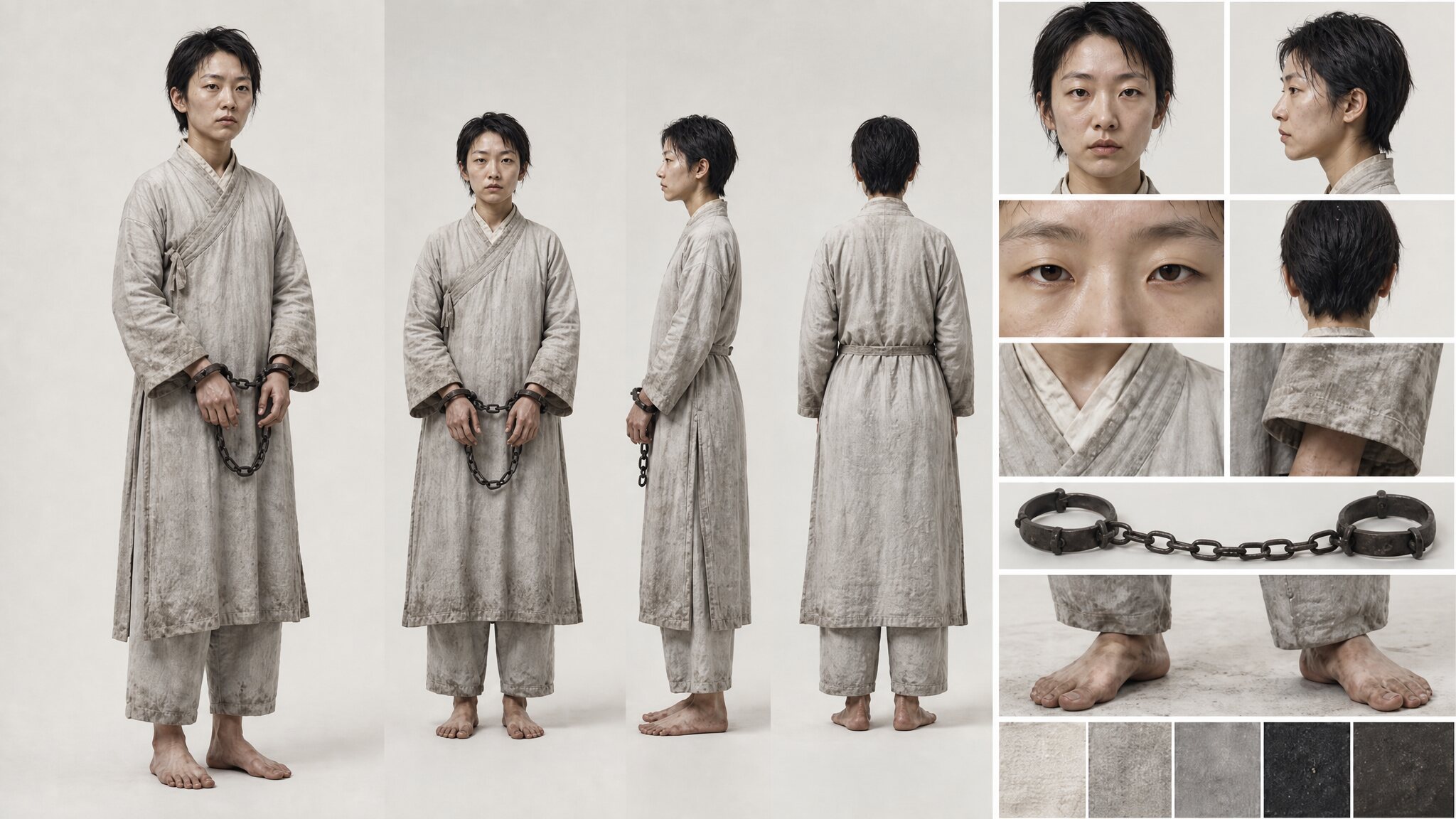
Ask ten writers how to develop a character and most will start with a questionnaire: age, hometown, family, the name of a childhood pet. It feels productive, and it produces a résumé. But a résumé is not a person, and audiences do not fall for résumés. In our character laboratory we work in the opposite order. Biography comes last. We begin with the things a person would never put on a form.
Start with fear and desire
Every living character is held in tension between two forces: something they want badly enough to risk everything for, and something they are afraid of badly enough to sabotage themselves to avoid. Desire drives the story forward; fear is the brake and the wound. Before we know anything else, we want to be able to finish two sentences: She wants ______ so much she would lose ______ for it, and She is so afraid of ______ that she will ______ to avoid it. If those two sentences pull against each other, you already have a story, because the character cannot get the first without facing the second.
Find the belief that is a lie
Next we look for the belief the character mistakes for the truth — the story they tell themselves that once kept them safe and now keeps them small. "If I need no one, no one can leave me." "If I am useful enough, I am allowed to exist." This false belief is the hinge of the whole arc, because the events of the film exist to test it, and the climax is the moment the character must either double down on the lie or let it break.
Biography is the résumé. Fear, desire, and the belief that is a lie are the person.
Then, and only then, biography
Once the interior is alive, biography stops being trivia and becomes evidence. Now the hometown, the absent parent, the first humiliation all earn their place — not as color, but as the specific soil that grew this specific fear. You will also find you need far less of it than you thought. A character does not need a complete past; they need the two or three facts that make the present inevitable.
Design the contradiction
Real people are inconsistent in consistent ways, and characters should be too. The disciplined character who cannot control one appetite; the gentle one with a single cruelty they cannot see. We deliberately design one load-bearing contradiction into every lead, because contradiction is what makes a character feel observed rather than invented, and it is usually where the best scenes hide.
Test it in a decision, not a description
Finally, we never trust a character we have only described. We put them in a small, hard choice — not the climax, just a doorway — and watch what they do. If the decision surprises us and then, a second later, feels inevitable, the character is alive. If we can predict it flatly, there is still work to do. Character is revealed by choice under pressure; everything before that is preparation.
This is the method behind the fear / desire / conflict / belief / transformation framework on our homepage, and it is why our development starts in psychology rather than plot. For the philosophy underneath it, see character-driven storytelling and the moral act of the redirect.
Frequently asked questions
How do you develop a character for a film?
Start with interior psychology before biography: define the character's core fear, their deepest desire, the false belief they mistake for truth, and one load-bearing contradiction. Add backstory last, only where it explains the present.
What is a character's false belief?
It is the story a character tells themselves that once kept them safe and now keeps them small — the lie the plot exists to test. At the climax they either double down on it or let it break.
Why start with fear instead of backstory?
Because audiences respond to a character's inner tension, not their résumé. Fear and desire create the conflict that drives the story; biography only matters as evidence for them.