How films shape culture: when a story becomes a shared memory
How stories travel outward — from screen, to conversation, to the shape of a culture.
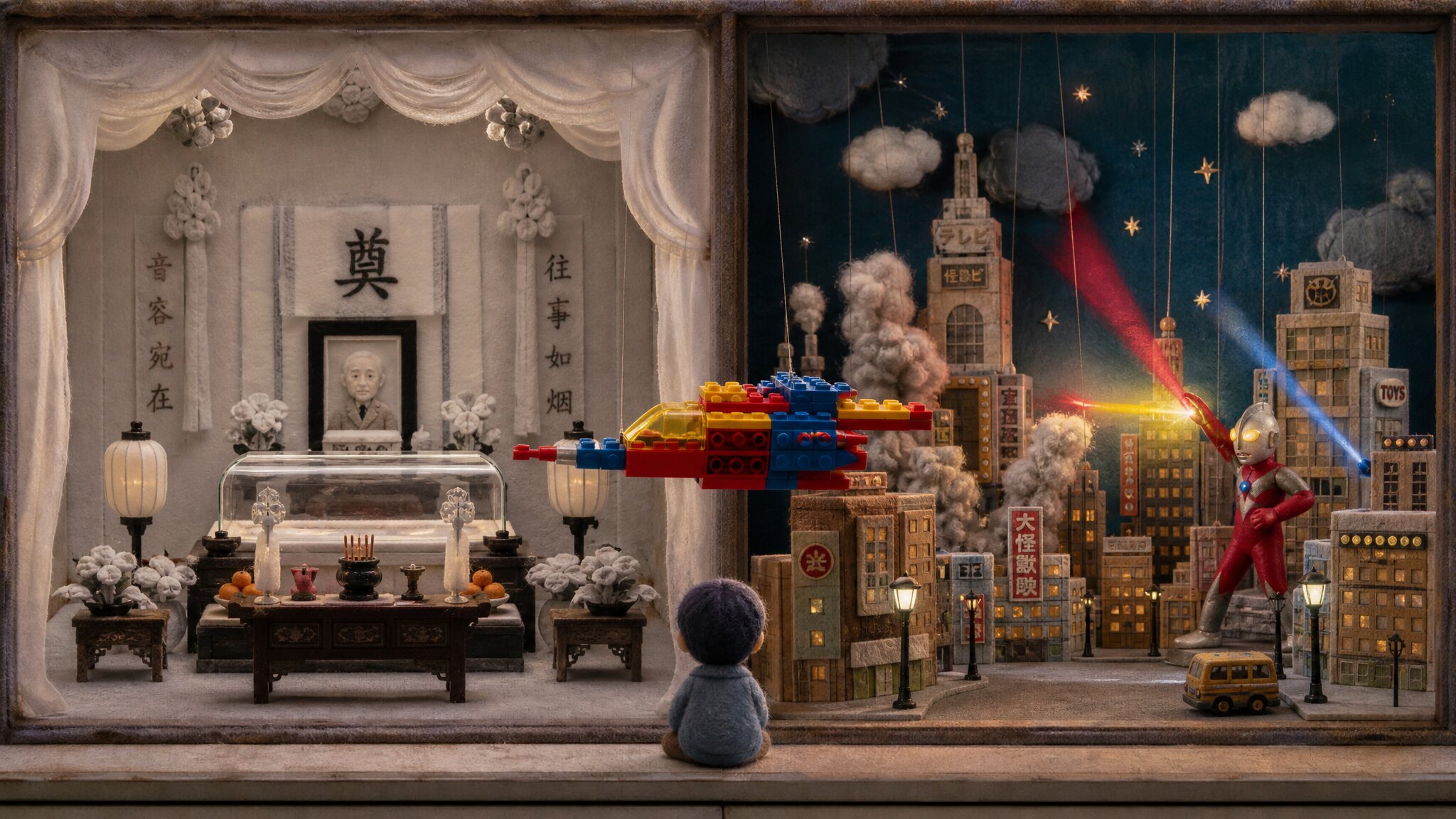
Ask people to describe a decade and they will often reach for its films. We remember eras partly through the stories that were told during them, and sometimes those stories do more than reflect the moment — they help make the next one. Understanding how films shape culture is not an academic exercise for us; it is the reason we take the work seriously. Our whole philosophy rests on it: stories become culture, and culture becomes reality.
From private experience to shared memory
A film is watched alone, in the dark, inside one person's head — and yet millions of people carry the same images out with them. That is the strange alchemy of cinema: it turns a private emotional experience into a public, shared one. A line, an image, a gesture enters the common language, and suddenly strangers have a way to say something to each other they could not say before. A story becomes a shared memory, and shared memory is one of the raw materials a culture is built from.
Stories become culture, and culture becomes reality.
Fiction rehearses reality
Stories are how a society rehearses. Before a culture can extend dignity to a kind of person it has overlooked, it usually has to imagine that person fully — and fiction is where that imagining is safe to practice. A film can let an audience inhabit a life they would never otherwise enter, and having lived it for two hours, they cannot quite un-know it. This is the redirect at the scale of a society: not a change of plot but a change in what a whole audience is able to see. It is slow, and it is real.
Which is why representation is not a slogan
If stories supply the images a culture thinks with, then whose stories get told is not a marketing question but a civic one. When the heroes a society keeps seeing are narrow, its imagination narrows to match; when the range widens, so does the range of lives that feel possible. This is part of why we are drawn to protagonists the screen has under-served — not out of duty, but because those are the stories with the most unused power to shift what an audience can picture.
The responsibility that comes with it
This power cuts both ways, and pretending otherwise would be dishonest. The same mechanism that can widen a culture's empathy can also harden its fears; stories have been used to flatten people as often as to reveal them. Taking seriously that films shape culture means accepting responsibility for the images you release into the shared mind. We would rather make fewer films and mean them than treat that influence carelessly.
Why a small studio still matters
Not every film has to move a whole culture, and most will not. But every honest film adds one more true image to the pool a society draws from, and you never fully know which image will be the one someone needed. That uncertainty is not a reason for modesty of ambition — it is the reason to hold the standard high. A single story, told truly, can redirect one life; enough redirected lives, over enough time, is simply what we call change.
For the philosophy beneath this essay, see character-driven storytelling and the moral act of the redirect.
Frequently asked questions
How do films shape culture?
Films turn private emotional experiences into shared memories, supplying images and stories a society thinks with. Over time, what audiences repeatedly see shapes what feels normal, possible, and worthy of empathy.
Can a single film really change society?
Rarely on its own, but each honest film adds a true image to the shared pool a culture draws from. Enough stories, over enough time, shift what people can imagine, which is how change accumulates.
Why does representation in film matter?
Because stories supply the images a culture thinks with. When the heroes audiences keep seeing are narrow, imagination narrows to match; widening the range widens the lives that feel possible.